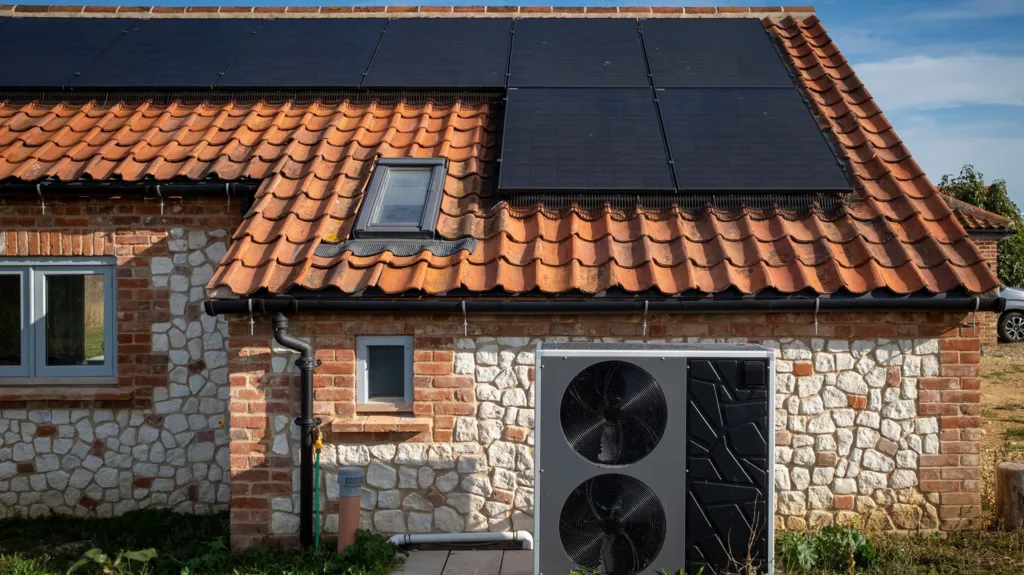
Households will be eligible for thousands of pounds' worth of solar panels and other green tech to lower their energy bills, the government has announced.
The long-awaited Warm Homes Plan promises to provide £15bn to households across the UK over the next five years, as well as introducing new rights for renters.
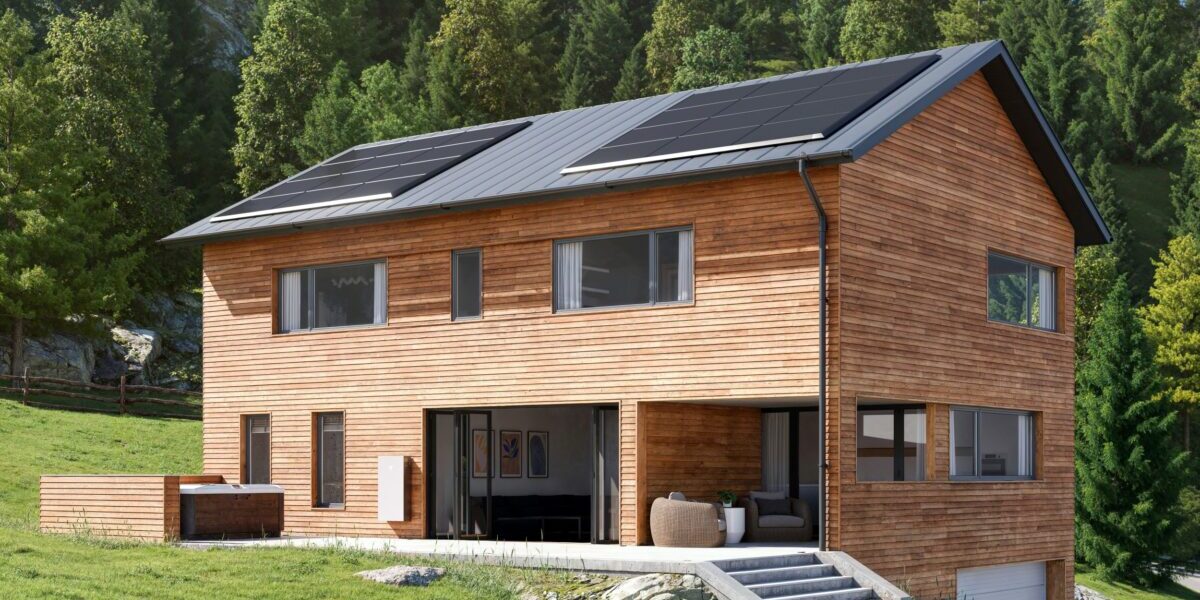
The government has said it wants to create a "rooftop revolution", tripling the number of homes with solar, and lifting one million people out of fuel poverty.
The plan has been strongly welcomed by the energy and finance industry, but the Conservative Party said the scheme will "saddle households with high ongoing running costs".
First touted back in 2024, the Warm Homes Plan promised to tackle the "national emergency" of rising energy bills, but it has taken two years for the final detail to be published.
The government announced that the plan, published on Wednesday, will focus on funding solar panels, heat pumps and batteries for households across the UK via low-interest loans and grants.
For able-to-pay households even with the grants there are likely to be additional costs of installing the technologies. For a heat pump after the subsidy households pay on average £5,000.
But for an average three bedroom semi-detached home, installing these three technologies, could save £500 annually on energy bills, it estimates.
Although social charity Nesta, and green energy charity, MCS Foundation, have estimated it could be more than £1000.
"A warm home shouldn't be a privilege, it should be a basic guarantee for every family in Britain," said Prime Minister Sir Keir Starmer.
Ed Miliband said the "cost of living crisis is the biggest issue the country faces" and that "upgrading homes is a crucial part of getting bills down".
Speaking to BBC Breakfast on Wednesday, the Energy Secretary said the move was aimed at "expanding the choices that people have, so something like a heat pump or a solar panel isn't just in the reach of the wealthiest".
Measures in the plan include:
- Extending the Boiler Upgrade Scheme by a further year to 2029/30, offering £7,500 grants for air source heat pumps
- Additional £600m for low-income households to receive funding for the full cost of solar panels and batteries taking the total available to £5bn
- Low and zero-interest loans for households irrespective of income
The plan has been strongly welcomed by the energy industry, workers' unions, and the finance sector, who see the long-term financial commitment by the government as crucial for driving private investment into green technologies.
"£15 billion is a substantial commitment, it provides certainty to investors and businesses in the energy market," said Dhara Vyas, chief executive of trade body Energy UK.
Camilla Born, CEO of Electrify Britain - a joint campaign group from Octopus and EDF to encourage switching to electric heating - also welcomed the announcement and said it will help cut bills long-term but said "the bad side is that it is a plan, and we need delivery".
Some of the schemes are already distributing grants, but for new funding the government has yet to decide how or when households will receive the money. It said that "further engagement with the finance sector" is needed this year.
Richard Tice, Reform deputy leader, strongly criticised the plan and said it was: "A scandalous waste of up to £15bn of taxpayers' cash primarily buying Chinese made solar panels, batteries and heat pumps, that is bad for British industry."
Two thirds (68%) of the solar panels imported by the UK came from China in 2024, according to HMRC trade data.
Miliband told the BBC that work was underway to "diversify" supply chains and that the government was seeking to "unwind that concentration" through investments in the UK.
The government has said the scheme would contribute to 180,000 new jobs in the clean heating sector - although some of these are likely to be from retraining existing engineers.