Global renewable power capacity is forecast to increase by almost 4,800 gigawatts (GW) between 2026 and 2031, representing a 57% increase compared with the previous six-year period, according to the International Energy Agency (IEA).
Renewables.az reports that the projections were published in the IEA's latest annual report, Renewables 2026, released on November 6.
According to the report, growing energy security concerns, efforts to reduce dependence on imported fuels, and exposure to volatile energy prices are becoming key drivers of renewable energy deployment worldwide.
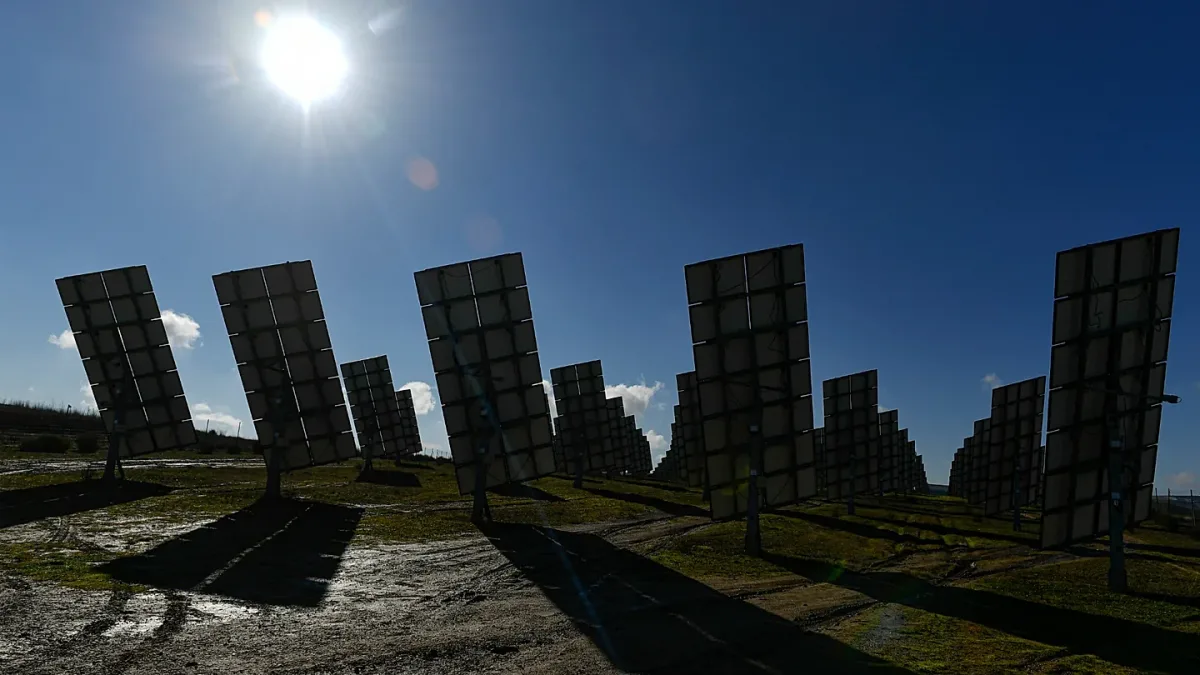
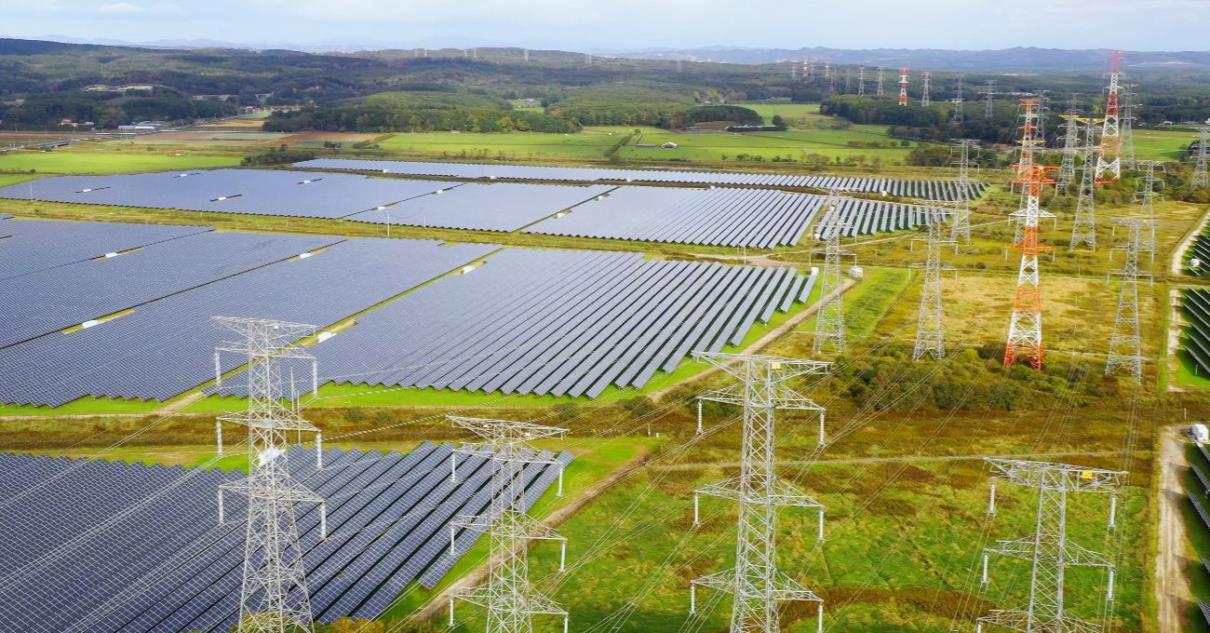
Solar photovoltaic (PV) technology is expected to account for more than three-quarters of global renewable capacity growth through 2031, followed by onshore wind power.
Renewables to generate nearly 45% of global electricity by 2031
The IEA forecasts that the share of renewables in global electricity generation will increase from 33% in 2025 to nearly 45% by 2031.
Over the same period, electricity generation from solar PV and wind combined is expected to more than double, accounting for over 28% of global electricity production.
Solar PV generation is also projected to surpass hydropower in 2029, becoming the world's largest source of renewable electricity.
Emerging and developing economies to drive stronger growth
China is expected to remain the largest contributor to global renewable capacity expansion. However, its share of worldwide growth is projected to decline from more than 60% in 2025 to an average of 53% during the forecast period.
India is emerging as the world's second-largest growth market, with its total renewable power capacity expected to more than double by 2031.
Significant expansion is also forecast across Southeast Asia, the Middle East, and Africa, where renewable capacity additions between 2026 and 2031 are expected to nearly triple compared with the previous six-year period.
For the first time, renewable capacity additions in emerging and developing economies outside China are projected to match those in advanced economies.
Energy security becomes a central driver
IEA Executive Director Fatih Birol highlighted the growing importance of energy security in accelerating renewable energy deployment.
According to Birol, while environmental considerations previously played a leading role in renewable energy policies, energy security has now become a primary driver as more countries seek to reduce their exposure to imported fuels.
The report also notes that high fuel prices and unreliable electricity supplies are encouraging households and small businesses to adopt rooftop solar PV systems.
Small-scale solar installations have already helped improve electricity services for approximately 70 million households worldwide.
Grid investment and energy storage remain critical
The IEA emphasizes that the rapid expansion of solar and wind power requires greater flexibility in electricity systems.
The global pipeline of advanced-stage renewable energy and storage projects awaiting grid connections has increased by 60% over the past year, reaching 3,000 GW.
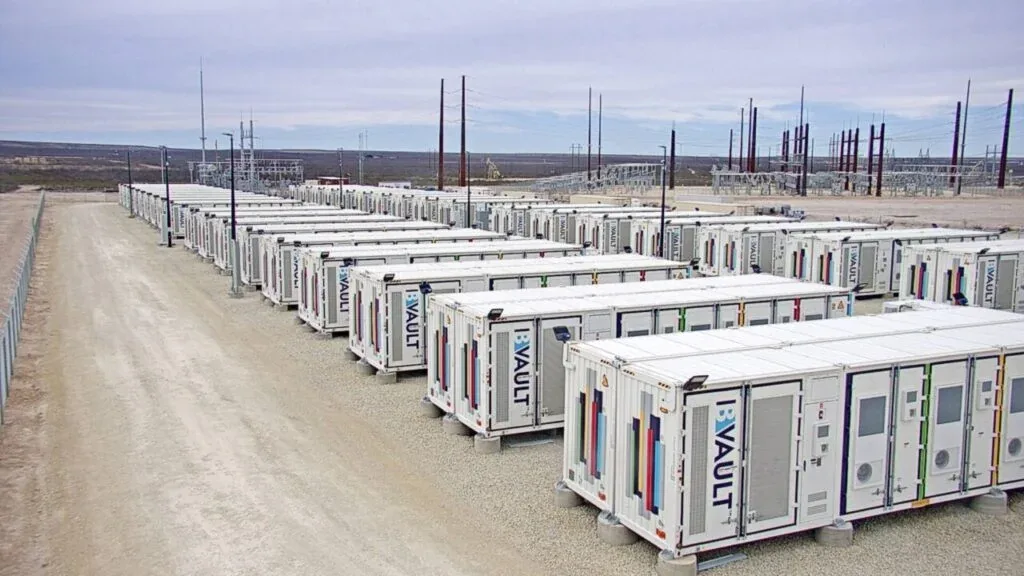
The Agency calls for accelerated investment in electricity networks, greater deployment of battery energy storage systems, streamlined grid connection procedures, and wider adoption of digital technologies.
The report further projects that renewable energy use in transport will increase by more than 60% by 2031.
According to the IEA, expanding renewable energy is becoming increasingly important not only for achieving climate objectives but also for strengthening energy security, diversifying energy supplies, and reducing exposure to volatile fuel prices.