Amassive $6 billion renewable energy project in Malaysia is a step closer to reality, following a collaboration announcement and investment agreement from the World Bank. The site will form part of a Southeast Asian power grid initiative and further connect to Singapore to facilitate cross-border electricity trade.
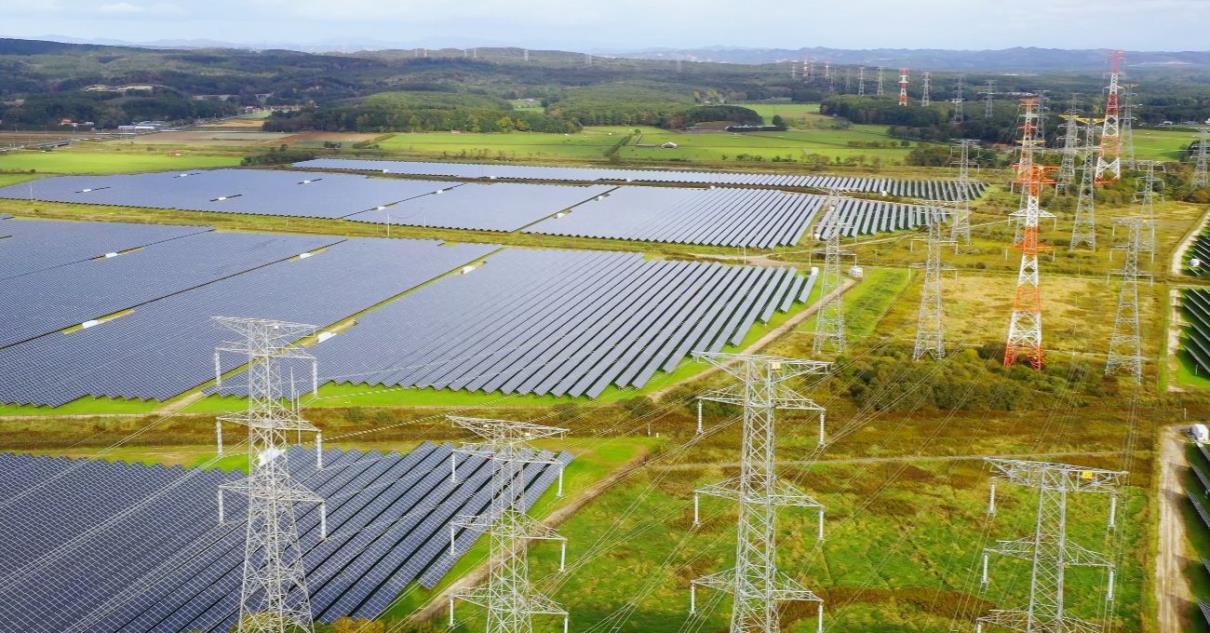
While the final scope hasn’t been announced, the initial sizing of the scheme is for a 2,000 square kilometre hybrid solar and battery energy storage system zone, with some 10,000 acres set for the initial phase of the project. This initial phase was said to be “expected” to include up to 4 GWp of solar capacity and 5.12 GWh of energy storage capacity.
The ‘Cooperation Document’ exchanged by key parties, including the Johor state, also brought together many initiatives. One is a pan-Southeast Asian grid initiative, dubbed the ASEAN Power Grid or APG, that aims to connect Malaysia’s Johor region with Singapore as part of a Johor–Singapore Special Economic Zone (JS-SEZ) masterplan and facilitate cross-border electricity trade.
It is also part of the Johor Renewable Energy Policy 2030, which details in an outline joint efforts across project development, technical support, and further potential financing for the project, and ties into the stated ambitions of the Johor Green Development Policy 2030.
There are some surprises in the details of the players involved.
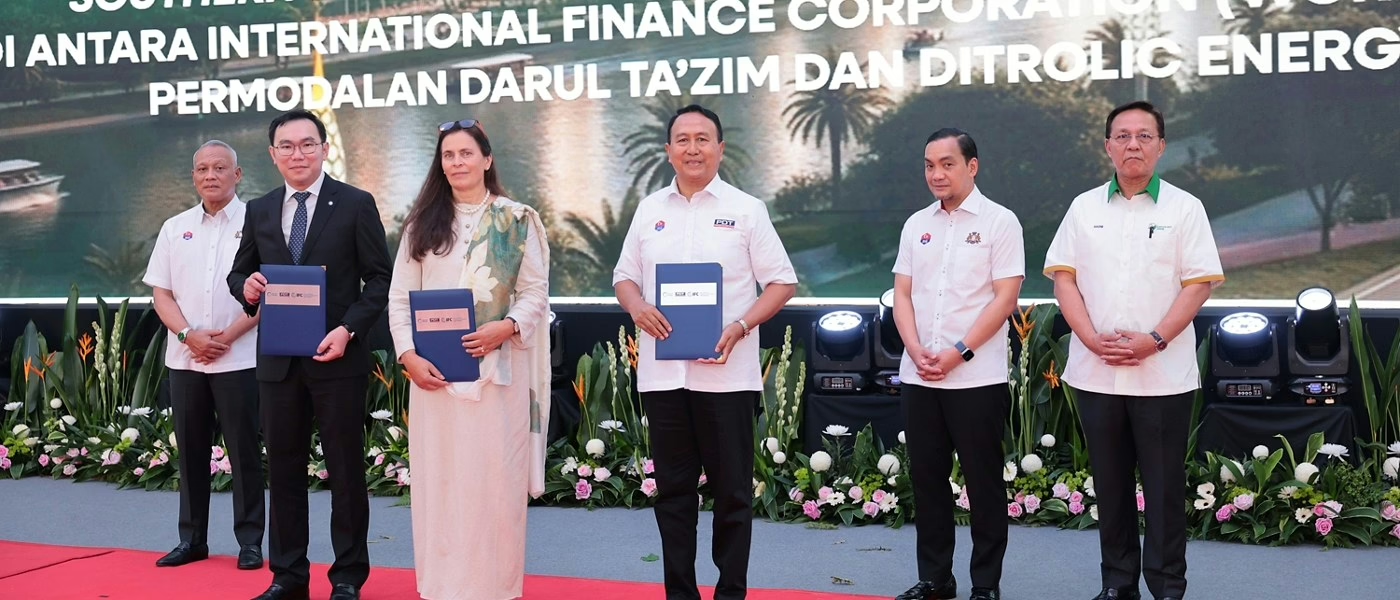
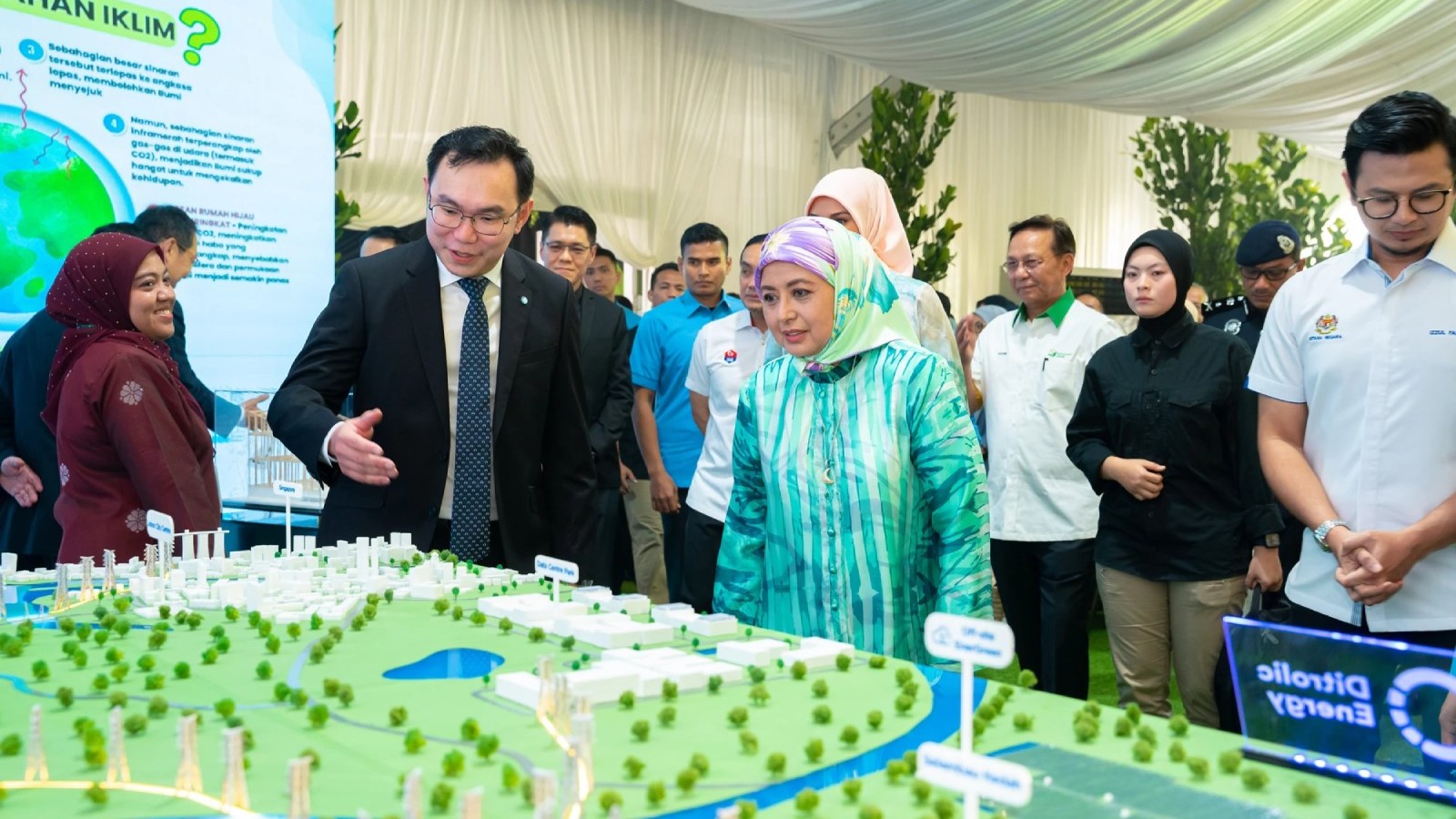
Other investors, alongside the World Bank’s private sector arm known as the International Finance Corporation (IFC), included the strategic investment arm of the Johor State Permodalan Darul Ta’zim (PDT), and Ditrolic Energy, an independent clean energy company in Southeast Asia, headquartered in Malaysia. No funding splits or details were announced at a ceremony attended by officials and dignitaries, including the Queen of Malaysia, Raja Zarith Sofiah.
While likely to offer attractive renewable energy for the city-state of Singapore, the announcement also detailed that Johor is aiming to attract both manufacturing and hyperscale data center operators. Some 125,000 jobs were said to be created through the lifecycle of the project.
One of the surprise players is Ditrolic Energy, which according to ESS News information, has only 300 MW of active projects built, making this project dwarf its other engagements.