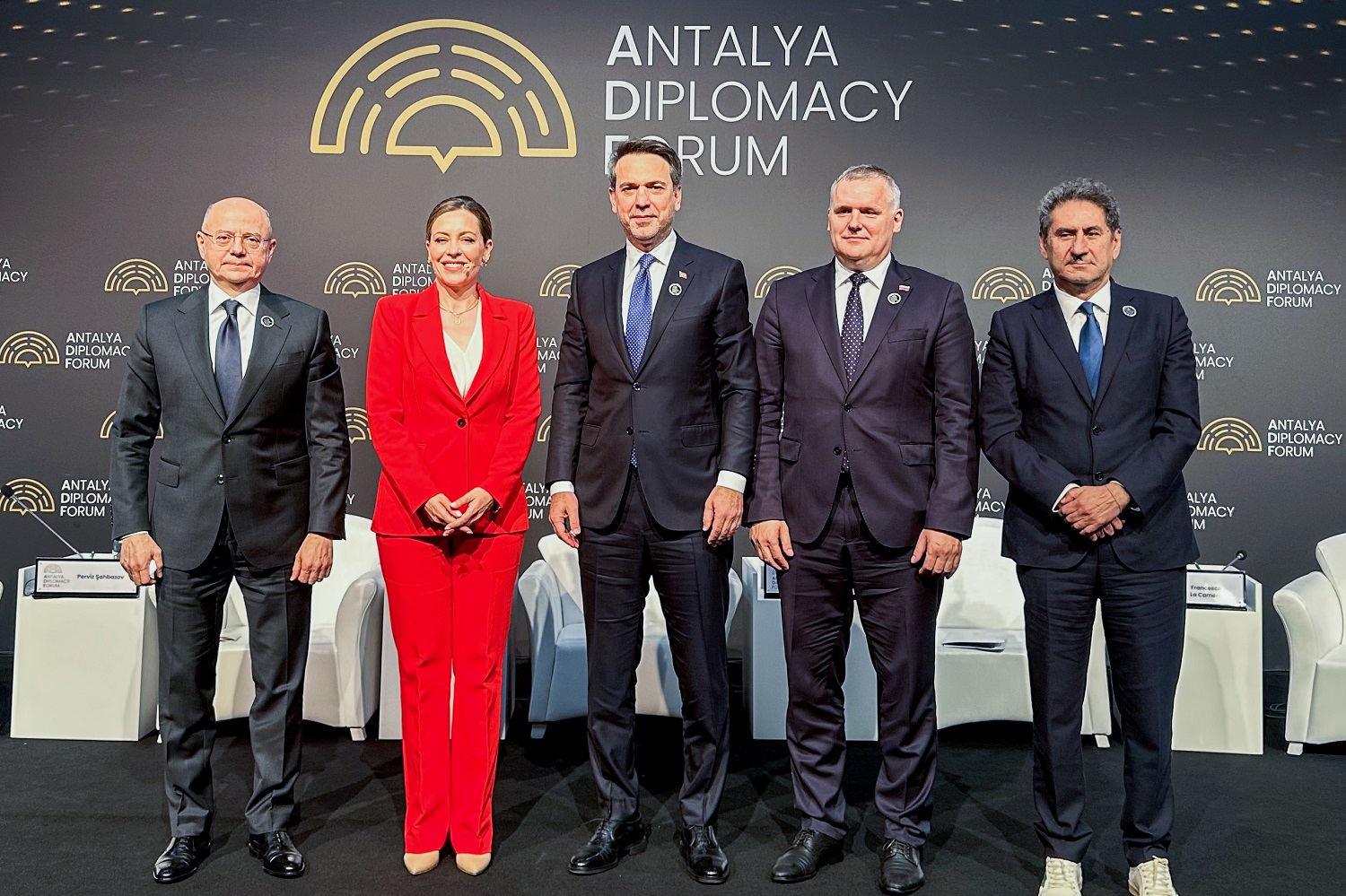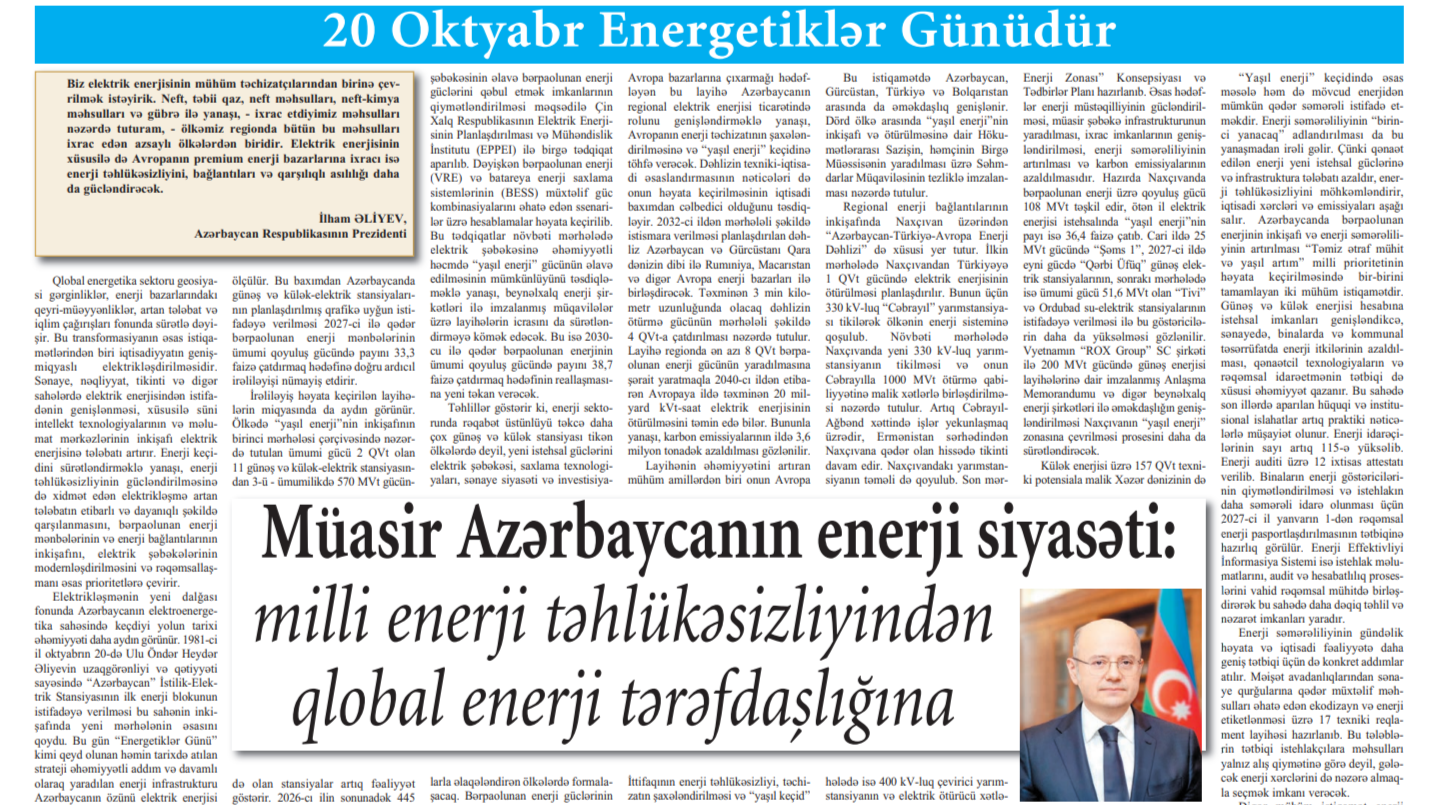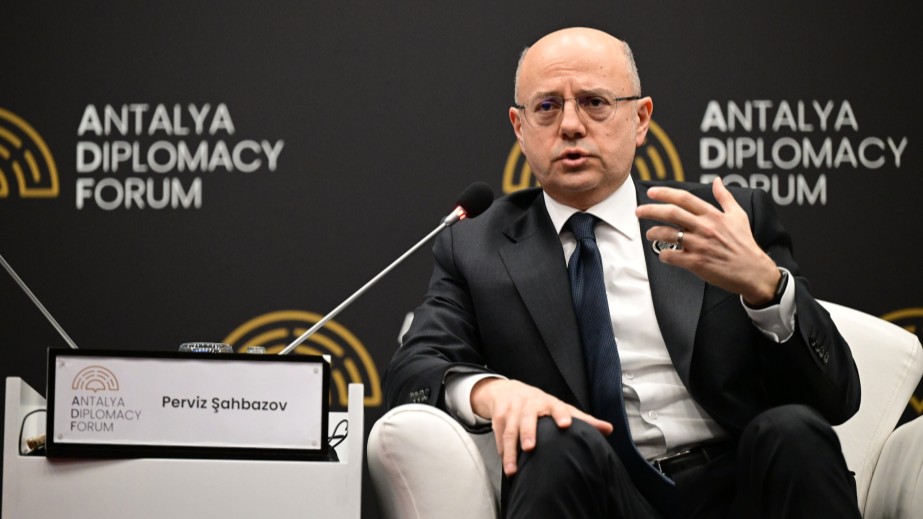
Energy Minister Parviz Shahbazov delivered a speech at the Ministerial Panel on Redrawing the Global Energy Map: Security and Uncertainty within the 5th Antalya Diplomacy Forum.
The Minister emphasized that energy security remains a fundamental component of overall national security. He noted that the current situation marked by the loss of more than 10% of the global daily supply of crude oil and petroleum products, has been described as the largest disruption in oil supply. It was noted that about 90% of the global oil and LNG supplies through the Strait of Hormuz are directed to Asian markets, while 40% of the European Union's jet fuel and diesel are transported. Minister Shahbazov stressed that sharp increases in oil and gas prices affect not only consumers but the global economy as a whole. In this context, balanced oil prices are of critical importance for producer countries, consumer countries, and the oil and gas industry alike.
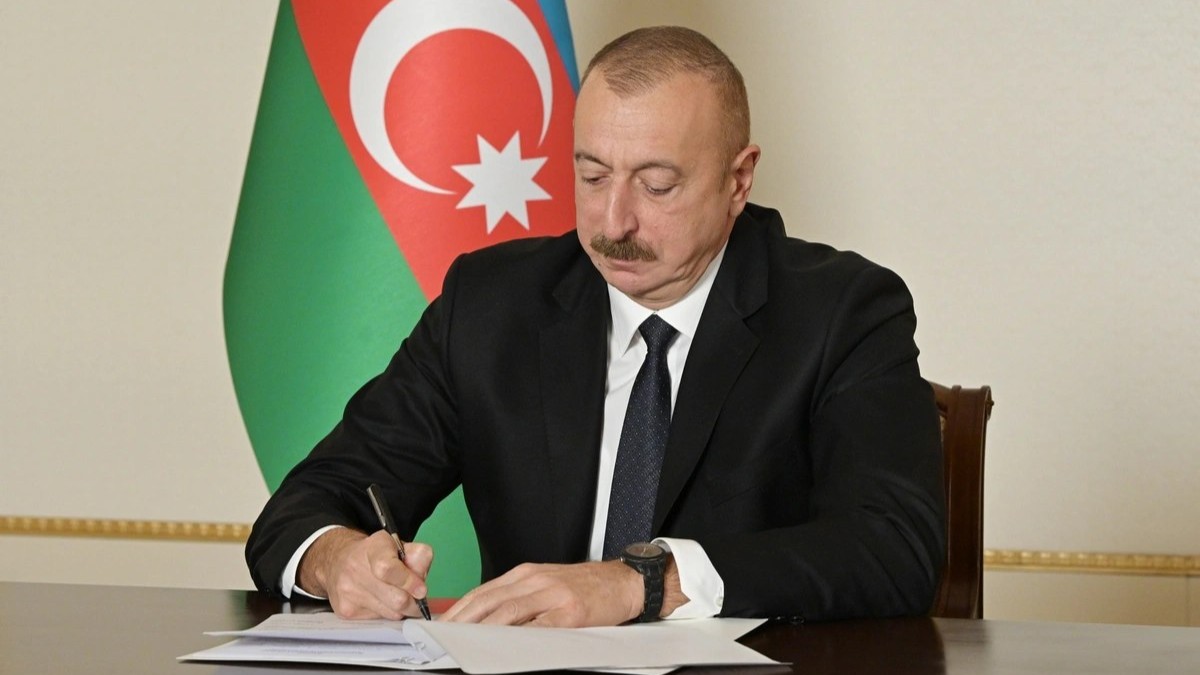
It was noted that Azerbaijan has been making a significant contribution to global energy security by diversifying oil and gas supply routes for many years. "Azerbaijan’s energy policy is based on the balanced development of all energy types, and this approach has been defined by President Ilham Aliyev. The country is developing both traditional energy resources and renewable energy potential in parallel. Azerbaijan supplies oil to 20 countries in Europe and Asia, with an average daily oil export of 436,000 barrels. In a short period, it has expanded the geography of gas supply to 16 countries. The Southern Gas Corridor, implemented jointly with Türkiye, currently transports more than 16 bcm of gas annually and has the capacity to double this volume. However, in certain cases, sufficient investment has not been allocated to fully realize this potential particularly in light of the EU’s green policies”, the Minister added. The Energy Minister also stated that Azerbaijan plans to develop up to 8 GW of renewable energy capacity. 2 GW of this will be integrated into the domestic power system by 2027, and the rest will be developed and exported in stages. It was further noted that Azerbaijan is strengthening its energy ties with Europe via Türkiye, while also implementing electricity interconnector projects between Asia and Europe in cooperation with Kazakhstan and Uzbekistan. These projects will increase energy security and supply accessibility by connecting production and consumption centers.
Referring to the energy transition process, the Minister said that even today, more than 80% of the global economy remains dependent on traditional energy sources. Last year, the world's renewable energy sector grew by 15.5 %, but the demand for hydrocarbons has not been fully replaced. Therefore, the energy transition should be viewed not as a process of “replacement,” but rather of “addition and optimization,” and must be managed intelligently. The Minister stressed that hasty and insufficiently justified decisions on the energy transition could lead to a decrease in investment in the hydrocarbon sector and as a result, to risks to energy security. In conclusion, it was emphasized that the global energy dilemma can only be solved with a balanced and inclusive approach. Overlooking any component of the energy system may disrupt global equilibrium, with negative consequences felt by all countries.
It should be noted that, alongside Azerbaijan’s Energy Minister, the panel discussions were also attended by Türkiye’s Energy Minister Alparslan Bayraktar, Slovenia’s Minister of Environment, Climate and Energy Bojan Kumer, and the Director-General of the International Renewable Energy Agency (IRENA) Francesco La Camera.