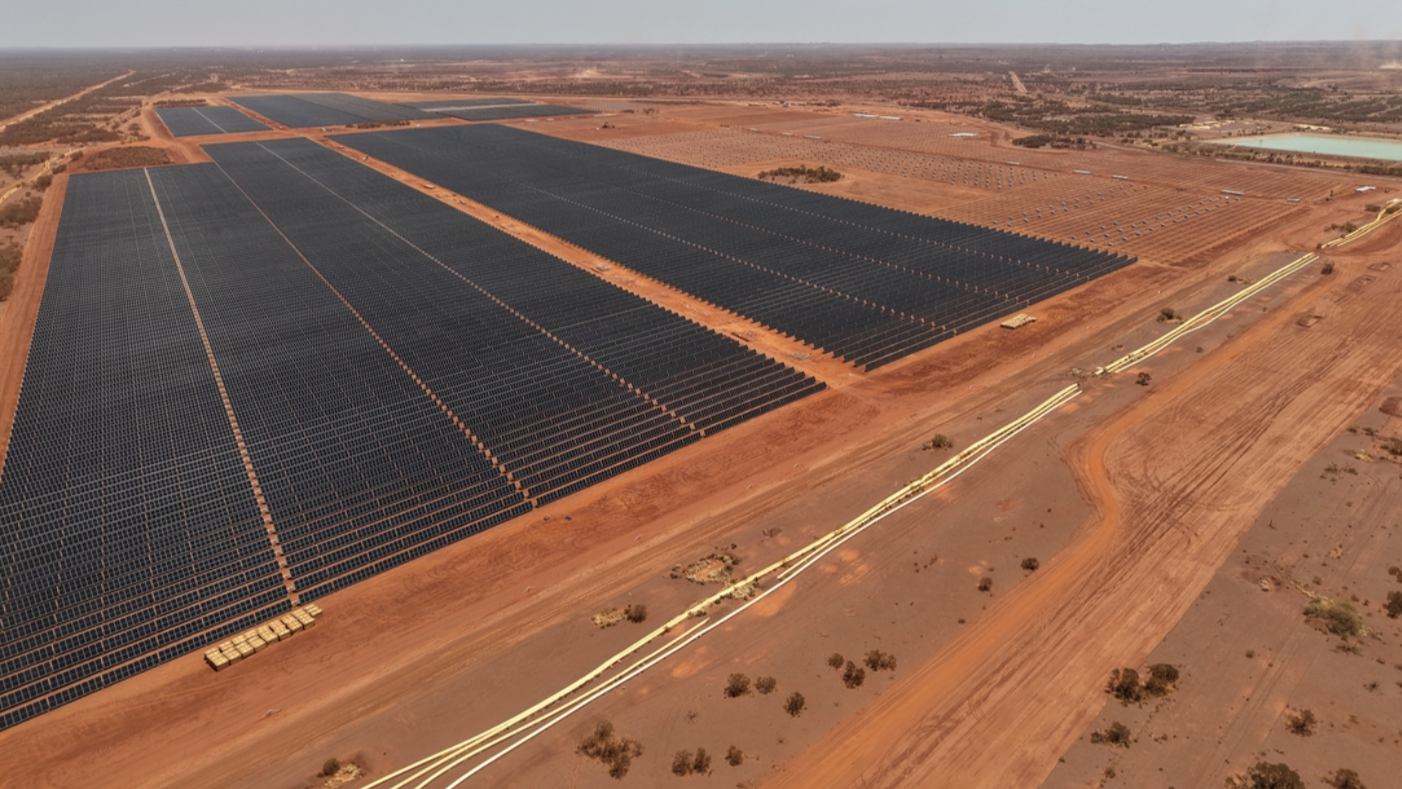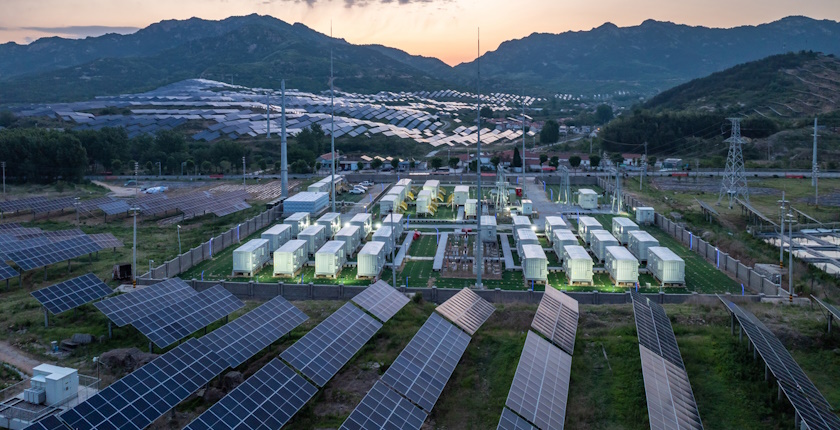
France’s draft 2026 budget includes a proposal to double the flat-rate tax on network businesses (IFER) applied to PV plants commissioned before January 2021. The measure would raise the tax from €8.51 ($9.89)/kW to €16.05/kW for systems of 100 kW or larger, excluding self-consumption projects.
The government said the increase is designed to offset the higher cost of public support for renewable energy amid declining electricity capture prices. The revenue would flow into the general state budget and is expected to generate an additional €50 million annually for three years, totaling €150 million.
Solar projects commissioned after January 2021 would remain subject to the lower rate of €3.542/kW to preserve investment incentives in new solar capacity.
Article 69 of the same draft law also proposes removing the cap on negative premiums for renewable energy contracts and revising tariffs for some photovoltaic producers. The change would replace an existing limit established under the 2024 Finance Act.
Under France’s current support scheme, producers of large renewable energy projects receive additional compensation when market prices fall below guaranteed tariffs. When prices exceed tariff levels, producers must pay back the difference to the state. However, contracts signed between 2016 and 2019 cap these repayments, limiting state revenue during high-price periods.
“Retroactivity undermines the government's commitment,” said Arnaud Gossement, a lawyer and associate professor at the University of Paris I Panthéon-Sorbonne. “These measures were sometimes developed very discreetly and without consulting industry representatives. This is further proof that energy is managed within the government as a strictly economic issue and no longer an environmental one in the broadest sense.”
Jules Nyssen, president of the renewable energy association Syndicat des énergies renouvelables, warned the policy would “destroy the return on invested capital” and drive investors away. “France will be completely out of step with its European neighbors and the global solar trend,” said Nyssen.
Photosol, a French developer, said in a statement that the retroactive measures “undermine the government's credibility, destroy project value, and destabilize the tax framework.” The company added that investor confidence could collapse, increasing financing costs and threatening jobs across the sector.